Familiarity vs Novelty Slots ⟡ Which Do Players Choose?
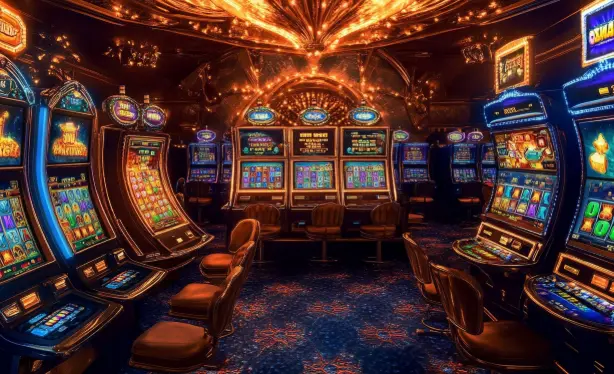
In the high-stakes ecosystem of online casino gaming, player psychology remains the ultimate driver of engagement. The debate between familiarity and novelty in slot machine selection is not merely a matter of preference; it is a complex interplay of cognitive biases, dopamine loops, and risk assessment. 🎰 Operators and game developers must understand that Familiarity vs Novelty Slots represents a critical axis in player retention strategy. While seasoned gamblers often gravitate toward trusted mechanics with known volatility profiles, a surge in gamified mechanics and crash-style variants is pulling a new demographic toward the unknown. The core question remains: does the human brain crave the comfort of a classic 3-reel layout, or does it seek the adrenaline of an untested bonus buy feature?
The Neuroscience of Habitual Play in Classic Slots
Neuroeconomic studies suggest that habitual players exhibit a strong preference for deterministic reward structures, even when those structures yield lower RTP theoretically. The familiarity of a five-payline slot with a recognizable fruit symbol set reduces cognitive load, allowing for extended session times. This is not a lack of sophistication; it is an efficiency heuristic. When a player selects a legacy title, they are leveraging prior knowledge to minimize decision fatigue. The variable ratio reinforcement schedule, a cornerstone of behavioral psychology, is most potent when the interface is predictable. Consequently, Familiarity vs Novelty Slots is not a binary choice but a spectrum of cognitive ease versus exploratory excitement. Operators leveraging this insight can tailor lobby algorithms to serve veteran players high-frequency, low-variance classics during off-peak hours to maintain steady wagering volume. 🧠
Why Novelty Mechanics Attract High-Velocity Demographics
Conversely, the rise of novelty slots—characterized by Megaways, cluster pays, and persistent mystery symbols—captures the "seeker" archetype. These players are not chasing mere entertainment; they are hunting for asymmetric payout potential. The introduction of a novel mechanic triggers a curiosity response, releasing dopamine in anticipation of learning a new system. This is particularly evident in jurisdictions where skill-based gambling elements are being tested. A novel slot with a complex cascade feature offers a sense of mastery that a simple spin does not. However, the churn rate for novelty titles is significantly higher if the volatility is misaligned with the player's bankroll. Therefore, the strategic deployment of novelty is a double-edged sword: it can create viral moments on streaming platforms, but it requires robust responsible gaming protocols to prevent rapid burnout. 🚀

Hybrid Design: Bridging the Gap with Recognizable Innovation
The most commercially successful titles in recent years have mastered the hybrid model. They retain a familiar core loop—such as the classic hold-and-win mechanic—while layering on a novel volatility algorithm or a progressive jackpot network. This satisfies the brain's need for pattern recognition while injecting sufficient variance to trigger the excitement of the unknown. For instance, a slot that uses a standard deck of card symbols but introduces a dynamic reel expansion is effectively answering the Familiarity vs Novelty Slots conundrum by offering both simultaneously. In the context of cross-border tourism and integrated resort destinations, this hybrid approach is vital. A high-roller from Macau might seek the familiarity of Baccarat-inspired slots, while a millennial tourist in Las Vegas is drawn to the novelty of a skill-based arcade slot. The floor layout must cater to both psychographics without cannibalizing the other's floor space. 🎲
Data-Driven Personalization and the Future of Slot Selection
Modern casino management systems now utilize AI-driven recommendation engines that analyze player session data in real-time. If a player's spin velocity increases on a novel mechanic but their average bet decreases, the algorithm learns that they are in an exploratory phase and may suggest a familiar title to stabilize the session. This dynamic balancing act is the future of player account management. The debate is no longer about which is superior, but how to sequence the exposure. A player might start with a familiar 20-line slot to warm up, transition to a high-variance novelty title for a bonus hunt, and return to a familiar classic to cool down. Understanding this behavioral flow allows operators to maximize time-on-device and theoretical win without inducing fatigue. The psychological contract between player and machine is constantly being renegotiated with every spin. 📊
Market Volatility and Regional Preferences in Slot Selection
Regional gambling cultures heavily influence the familiarity versus novelty paradigm. In mature European markets, where online slots have been legal for decades, players exhibit a strong bias toward familiar, low-volatility titles with transparent RTPs. In emerging Latin American and Asian markets, the novelty of licensed, regulated slot products often overrides the desire for traditional mechanics, as the entire experience is new. This creates a fragmented global landscape. A slot that is considered a "classic" in the UK might be perceived as a "novelty" in Brazil. Therefore, localization is not just about language translation; it is about psychological calibration. The operator who recognizes that familiarity is a relative term—defined by the player's personal gaming history rather than a universal standard—will dominate the cross-border acquisition funnel. The winning strategy involves a portfolio that respects tradition while aggressively testing the boundaries of innovation. 🌍