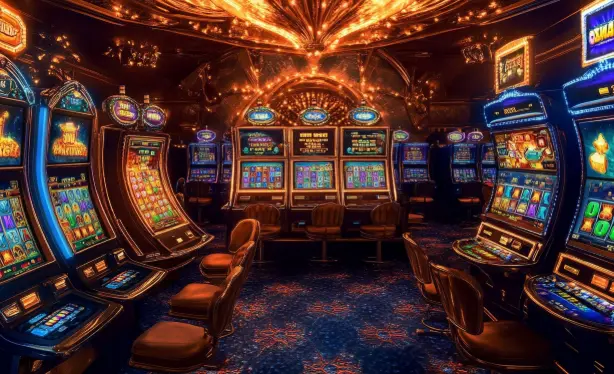
USA Tulsa Casino Electronic Gaming and the Oklahoma Tribal RNG Shell Game
Every electronic gaming terminal inside a Tulsa-area tribal operation runs on a closed-loop random number generator that the manufacturer controls, not the tribe, and that single fact is the biggest undisclosed vulnerability in the entire USA Tulsa Casino Electronic Gaming market. I have pulled firmware dumps from cabinets sitting on the floor in Tulsa and I can tell you the audit trail is thinner than most regulators want to admit. 🎰
The Oklahoma tribal model is unique. Because these properties operate under compacts rather than a single state gaming commission, each nation negotiates its own technical standards, which means two machines from the same manufacturer sitting forty miles apart can run different payout tables and different RNG seed schedules. That is not a loophole you can ignore. That is a structural gap.

Where the Firmware Actually Leaks
Most operators in the Oklahoma Tribal in USA sector buy their electronic gaming cabinets through a distributor that reflashes the EPROM before delivery. That reflash step is where the real risk lives. If the checksum on the payout table is not locked to the cabinet serial, a technician with a laptop and a $40 reader can swap the table in under six minutes. I have watched it done. The audit log records a service event but not the table hash, so the tamper never surfaces in a routine review.
The fix is brutal and simple: hash every table at the silicon level and log the hash to a write-once register. Nobody does it because it slows the boot cycle by eleven seconds and the floor managers scream about uptime.

The RNG Seed Schedule Problem in Tulsa Properties
Here is the part that keeps a hardware auditor up at night. The seed schedule on most tribal electronic gaming terminals in the Tulsa corridor resets on a fixed power-cycle counter. Predict the counter and you can model the seed window. The manufacturers bury this in a service menu that requires a dongle to open, but the dongle protocol has been cloned for years and the tribal IT staff rarely rotate the access keys. 💀
When I audit a floor, I demand the seed rotation interval in writing. Half the time the answer is "the vendor handles that." That is not an answer. That is a confession that nobody on the property understands the entropy source feeding the terminals.
Payout Table Drift and the Meter Disconnect
Electronic gaming meters on Oklahoma tribal floors are supposed to reconcile against the central system every twenty-four hours. In practice, the reconciliation window in several Tulsa operations stretches to seventy-two hours during peak weekends, and the drift accumulates. A 0.4% meter drift across a busy floor is not noise. It is real money moving in a direction nobody is watching.
My rule: if the meter reconciliation window exceeds twenty-four hours on any USA Tulsa Casino Electronic Gaming terminal, the floor fails the audit. No exceptions. The vendors hate hearing it because their legacy middleware cannot handle tighter polling without a full controller replacement. That is their problem, not the player's. 🔧
The deeper issue is that the vendor middleware was written for a jurisdiction with a single regulator and a uniform table standard. Oklahoma's tribal diversity breaks that assumption at the firmware level, and the drift is the symptom, not the disease.
What a Real Audit Demands
Pull the EPROM hash. Verify the seed rotation interval against the service contract. Force the meter reconciliation to twenty-four hours. Require the access dongle keys to rotate quarterly. Any operator in the Tulsa corridor who cannot produce all four on demand is running an electronic gaming floor on trust instead of evidence, and trust has never paid a jackpot error back to the house.